ABA Assessments and Functional Behavior Assessments
ABA assessments • Diagnostic evaluations • No waitlist
Before ABA therapy starts, a Board Certified Behavior Analyst needs to understand your child: what they can already do, what is hard, and why certain behaviors happen. That is what an ABA assessment is for. At Hope Center for Behavior Change we schedule assessments promptly, explain the results in plain language and turn them into a treatment plan built around your family’s goals.
- 4.9 on Google (13 reviews, October 2026)
- No waitlist
- BCBA-led programs
- BCBS, Aetna, Cigna, UMR, TRICARE
- Home, school, daycare & center
The short answer
An ABA assessment is an evaluation by a BCBA that looks at a child’s skills and behavior to plan therapy. It usually includes a caregiver interview, direct observation, a skills assessment and often a functional behavior assessment. It does not diagnose autism, ADHD or ODD. Families receive a written report and treatment plan.

What is an ABA assessment?
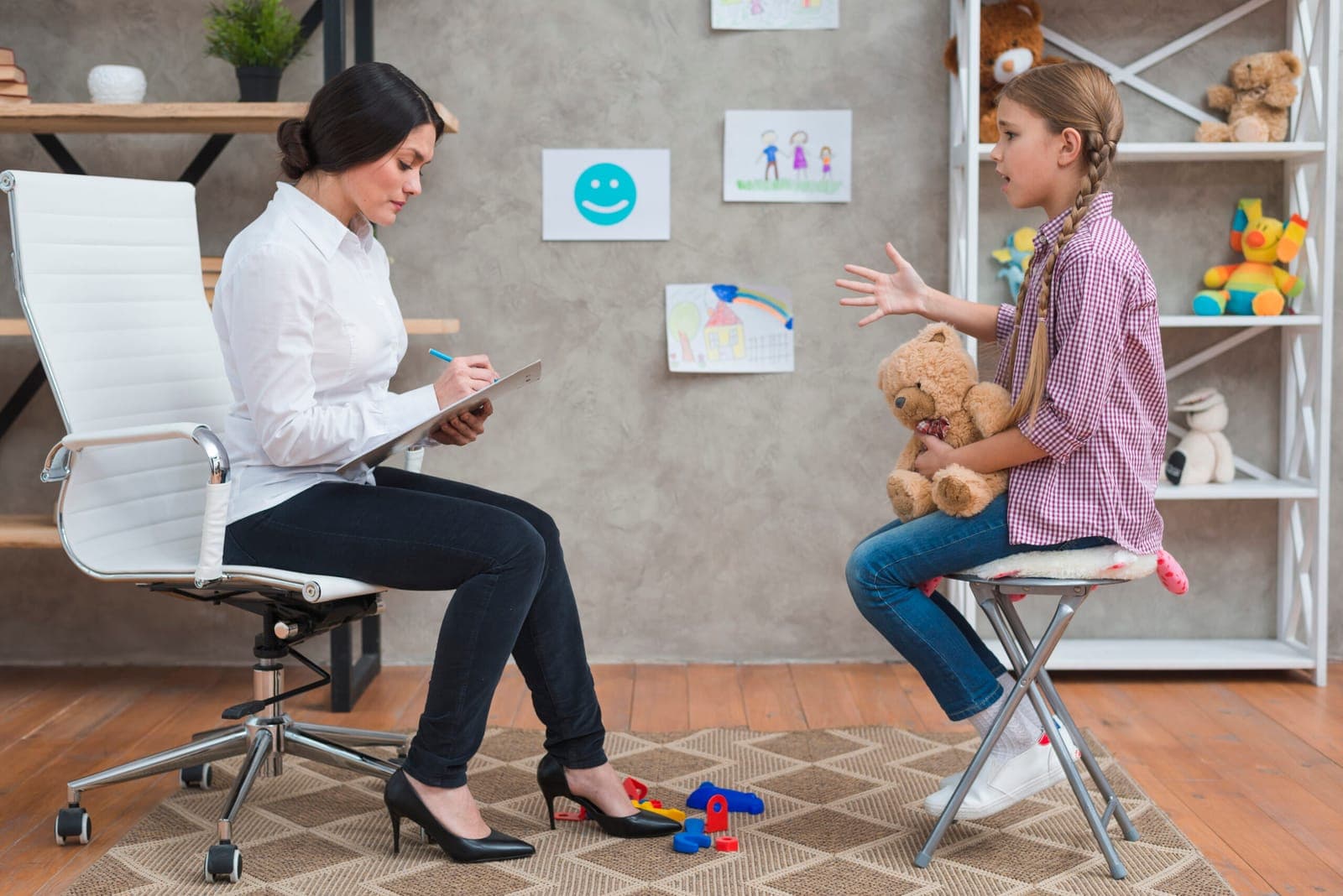
Applied behavior analysis is the science of behavior. An ABA assessment uses direct observation and measurement to understand how your child communicates, plays, learns and handles daily routines, and what is going on around a behavior when it happens.
The results guide which goals come first, how sessions are set up and how progress is measured.
What does an ABA assessment usually include?
ABA assessments commonly combine several parts, such as:
- Caregiver interviewYour child’s history, daily routines, strengths and what worries you most.
- Direct observationWatching how your child plays, communicates and responds in a familiar setting.
- Skills assessmentA look at communication, social, play, learning and daily living skills.
- Functional behavior assessmentFinding out what triggers a behavior and what need it serves.
- Review of recordsAny reports, evaluations or school plans you choose to share.
Not every child needs every part. The BCBA chooses what fits your child’s needs and your questions.
What is a functional behavior assessment?
A functional behavior assessment (FBA) looks at a specific behavior, such as hitting, running off or long tantrums, and asks why it happens. The BCBA gathers information about what happens just before the behavior, the behavior itself and what happens right after.
Behavior often serves a purpose, such as getting attention, getting out of a hard task, getting something wanted or meeting a sensory need. Once the purpose is clear, the plan can teach a safer way to meet the same need.
Ask about an assessment
Is an ABA assessment the same as a diagnosis?
No. An ABA assessment plans treatment; it is not a diagnosis. BCBAs do not diagnose autism, ADHD or ODD.
Hope Center also offers diagnostic evaluations, a separate service. They are completed by our clinical director, Aisha Albright-Jourdan, LCSW, BCBA, under the supervision of a licensed psychologist (PsyD), and part of the process is questionnaires parents complete online. Many insurance plans need an autism diagnosis before they cover ABA, so ask us whether a diagnostic evaluation is the right first step.
What do parents receive afterward?
After the assessment, your family receives:
- A written report of what the assessment found
- An explanation of the results in clear, everyday language
- An individualized treatment plan with goals you helped choose
- Recommendations on where and how often therapy could take place
- Help with the insurance steps before services begin
How soon can my child be assessed?
We know waiting is hard when you are worried about your child. There is no waitlist. Once your intake documents are back and your insurance approves the assessment, we schedule it at your convenience, at our center or in your home. It takes 2–4 hours, in one or two sessions.
Before the assessment, we check your benefits. We accept Blue Cross Blue Shield, Aetna, Cigna, UMR, Personify Health and TRICARE East, and self-pay is available with a sliding scale. See insurance.
Contact usQuestions families ask
Who does the ABA assessment?+
Intake and treatment-plan assessments are completed by one of our Board Certified Behavior Analysts (BCBAs). Our clinical director reviews every plan before it goes to insurance. Therapy is carried out by Registered Behavior Technicians (RBTs), whom the BCBA supervises weekly.
Can you tell me if my child has autism?+
Not through an ABA assessment, which plans treatment. Hope Center does offer separate diagnostic evaluations, completed by our clinical director, Aisha Albright-Jourdan, LCSW, BCBA, under the supervision of a licensed psychologist (PsyD). Call us to ask whether that is the right first step for your child.
How should I prepare my child?+
Keep it simple. You can tell your child they are going to meet someone who likes to play and talk. Bring any past reports or school plans, and a list of the behaviors and skills you most want help with.
Do I need a functional behavior assessment for school?+
Schools sometimes do their own FBA as part of a behavior plan. An FBA done for ABA therapy is used to build your child’s treatment plan. If you share it with the school, it can help home and school work on the same goals. See our school-based ABA page.
Is the assessment covered by insurance?+
Coverage depends on your plan, and many plans need a diagnosis first. We check your benefits before the assessment and explain what we find. See our insurance page for more.
Related
- Early intervention ABAGentle, play-based ABA for toddlers and young children, with parents involved at every step.Learn more →
- ABA for ADHD and ODDABA-based behavior support for children with ADHD or ODD, at home, in the community and at school.Learn more →
- InsuranceHow insurance can cover ABA in Florida, and how we check your benefits before therapy starts.Learn more →
- New familiesWhat happens first, what to have ready and how ABA starts at Hope Center.Learn more →
Ready to take the next step?
Call us to ask about an ABA assessment for your child. We check your coverage and explain each step.
Our ABA programs are developed by Board Certified Behavior Analysts (BCBAs) and carried out by Registered Behavior Technicians.
- No cost to talk to us
- No waitlist: starting can take as little as three weeks from your first call
- Free benefits check, sliding scale and self-pay options
- Our operations team calls you back