
ABA Parent and Caregiver Training
Strengths-based • Coaching from a BCBA • Built around your family's routines
You know your child better than anyone. Parent and caregiver training gives you the tools to support the skills your child is learning in therapy, during the moments that fill your day. Our founder and clinical director, Aisha "AJ" Albright-Jourdan, MSW, LCSW, BCBA, specializes in a strengths-based approach to parent training that empowers parents to help their children grow.
- 4.9 on Google (13 reviews, October 2026)
- No waitlist
- BCBA-led programs
- BCBS, Aetna, Cigna, UMR, TRICARE
- Home, school, daycare & center
The short answer
ABA parent and caregiver training is coaching that teaches parents and other caregivers how to use applied behavior analysis strategies at home and in daily life. A Board Certified Behavior Analyst explains the strategies, shows them, and helps you practice. TRICARE says parents and caregivers attend parent training as part of its ABA services.

What is ABA parent training?
ABA parent training is time with your child's BCBA that is focused on you. At Hope Center it happens every week, and your child's goals and plan are discussed in those sessions. You learn why your child's program works the way it does and how to use the same strategies yourself.
The NIH's child health institute (NICHD) describes behavior management as guidance on what caregivers can do before, during, after and between episodes of problem behavior. Parent training puts that kind of guidance into your own routines.
What does a strengths-based approach mean?
A strengths-based approach starts with what your child and your family already do well. Goals build on those strengths instead of only listing problems.
It also means respecting you as the expert on your child. Your BCBA brings the behavior science, and you bring what you see every day. Read more about our approach.
What do parents learn in parent training?
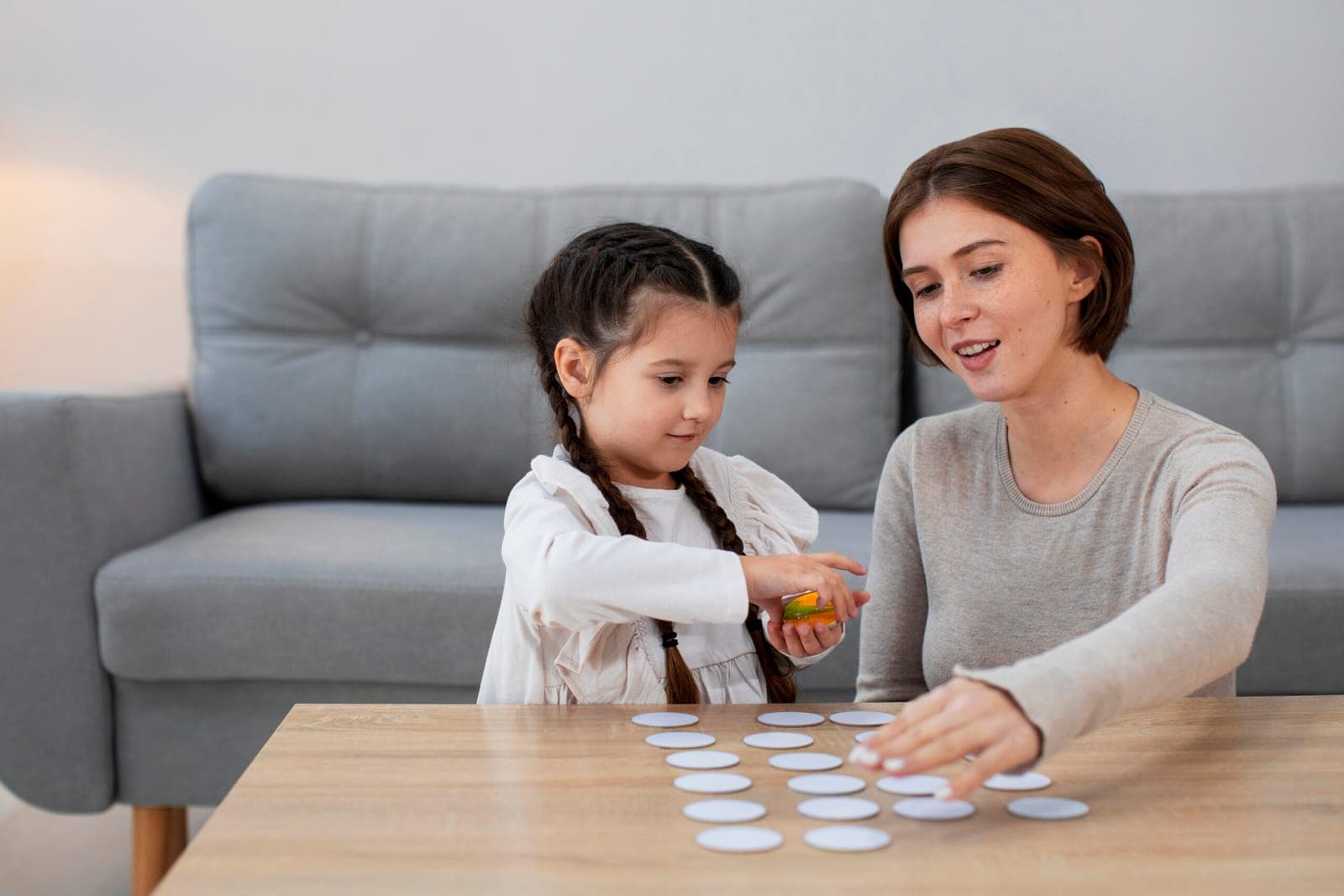
Training is individualized to your child's program and your family's goals. Topics often include:
- Noticing what happens before and after a behavior
- Praising and rewarding the skills you want to see more of
- Breaking daily tasks like dressing or toileting into small steps
- Giving clear directions and choices
- Planning for hard moments, such as transitions, outings, doctor and dental visits and haircuts
- Keeping routines consistent between therapy and the rest of the day
How does a parent training session work?
- 1TalkYou and your BCBA review what is going well and what is hard right now.
- 2ShowYour BCBA explains a strategy and shows how it looks with your child.
- 3PracticeYou try it, with coaching and feedback in the moment.
- 4PlanYou agree on what to practice before the next session.
Parent training is weekly. Sessions can happen at home, alongside in-home ABA therapy, or at one of our centers. Where allowed, our staff can also join you at IEP meetings, doctor and dental appointments and haircuts to help you use the strategies in those settings. Our team provides care in English, Spanish, Haitian Creole, Bengali and Russian.
Does TRICARE expect parents to take part?
Yes. TRICARE's step-by-step guide to getting ABA services under its Autism Care Demonstration says parents and caregivers attend parent training to learn how to apply ABA techniques in everyday life. It adds that the child does not have to be there for these sessions, though it is a good idea for them to attend.
We accept TRICARE East (Humana Military). Other plans set their own rules about parent participation, so we check your benefits before starting. Military families can read more on our TRICARE page.
Who can take part in caregiver training?
- ParentsMothers, fathers and stepparents who care for the child.
- GrandparentsRelatives who help with daily care.
- Other caregiversAnyone who spends regular time with your child.
- The whole householdConsistent strategies across the people your child lives with.
Questions families ask
Do I have to do parent training if my child gets ABA?+
It depends on your plan. TRICARE says parents and caregivers attend parent training as part of its ABA services. Other plans have their own rules. We check your benefits before starting and explain what your plan asks of you. See our insurance page.
Does my child need to be at parent training sessions?+
Not always. TRICARE notes that the child does not have to be present for parent training, though attending is a good idea. Some sessions include your child so you can practice with coaching. Your BCBA can help you plan which format fits each goal.
Who leads parent training at Hope Center?+
Parent training is led by a Board Certified Behavior Analyst (BCBA), who writes and reviews your child's plan and supervises your child's Registered Behavior Technician (RBT) every week. Our founder and clinical director, Aisha "AJ" Albright-Jourdan, MSW, LCSW, BCBA, specializes in a strengths-based approach to parent training and reviews every plan before it goes to insurance. Between sessions you can call or text your RBT, your BCBA or our front desk.
Can parent training be in our home language?+
Our team provides care in English, Spanish, Haitian Creole, Bengali and Russian, so parent training can use the language you speak with your child every day. Call us to be matched with a team member who speaks your language. You can also read about bilingual ABA therapy.
How much does parent training cost?+
Costs depend on your plan. We accept Blue Cross Blue Shield, Aetna, Cigna (Evernorth), UMR, Personify Health and TRICARE East (Humana Military), with Optum coming soon. We do not currently accept Medicaid. Self-pay is available for all services, with a sliding scale to help with deductibles and copays, so many families pay little or nothing out of pocket. We check your benefits before starting so you know what to expect. Call 561-337-8865 or email office@hopecenteraba.com.
Related
- In-home ABA therapyABA in your own home, built around daily routines like dressing, meals and play with siblings.Learn more →
- Military familiesABA therapy that keeps up with PCS moves and deployments. TRICARE accepted.Learn more →
- Our approachCompassionate, assent-based ABA built on relationships, play and family goals.Learn more →
- InsuranceHow insurance can cover ABA in Florida, and how we check your benefits before therapy starts.Learn more →
Learn alongside your child
Talk with our team about parent and caregiver training. There is no waitlist, and it can take as little as three weeks from your first call to the first session. Once your insurance approves the treatment plan, services usually begin within 3–5 business days.
Our ABA programs are developed by Board Certified Behavior Analysts (BCBAs) and carried out by Registered Behavior Technicians.
- No cost to talk to us
- No waitlist: starting can take as little as three weeks from your first call
- Free benefits check, sliding scale and self-pay options
- Our operations team calls you back