Compassionate, Evidence-Based ABA Therapy
Relationships first • Data-driven • Families as partners
Finding the right support for your child shouldn’t feel overwhelming. At Hope Center for Behavior Change we provide Applied Behavior Analysis (ABA) therapy designed to support meaningful growth, built on the relationship between your child and their therapist and on goals your family cares about.
- 4.9 on Google (13 reviews, October 2026)
- No waitlist
- BCBA-led programs
- BCBS, Aetna, Cigna, UMR, TRICARE
- Home, school, daycare & center
The short answer
Compassionate ABA is modern applied behavior analysis that builds trust before teaching, follows the child’s interests through play, respects when a child says no, and sets goals with the family. At Hope Center for Behavior Change every program is individualized, measured with data and designed by a Board Certified Behavior Analyst.
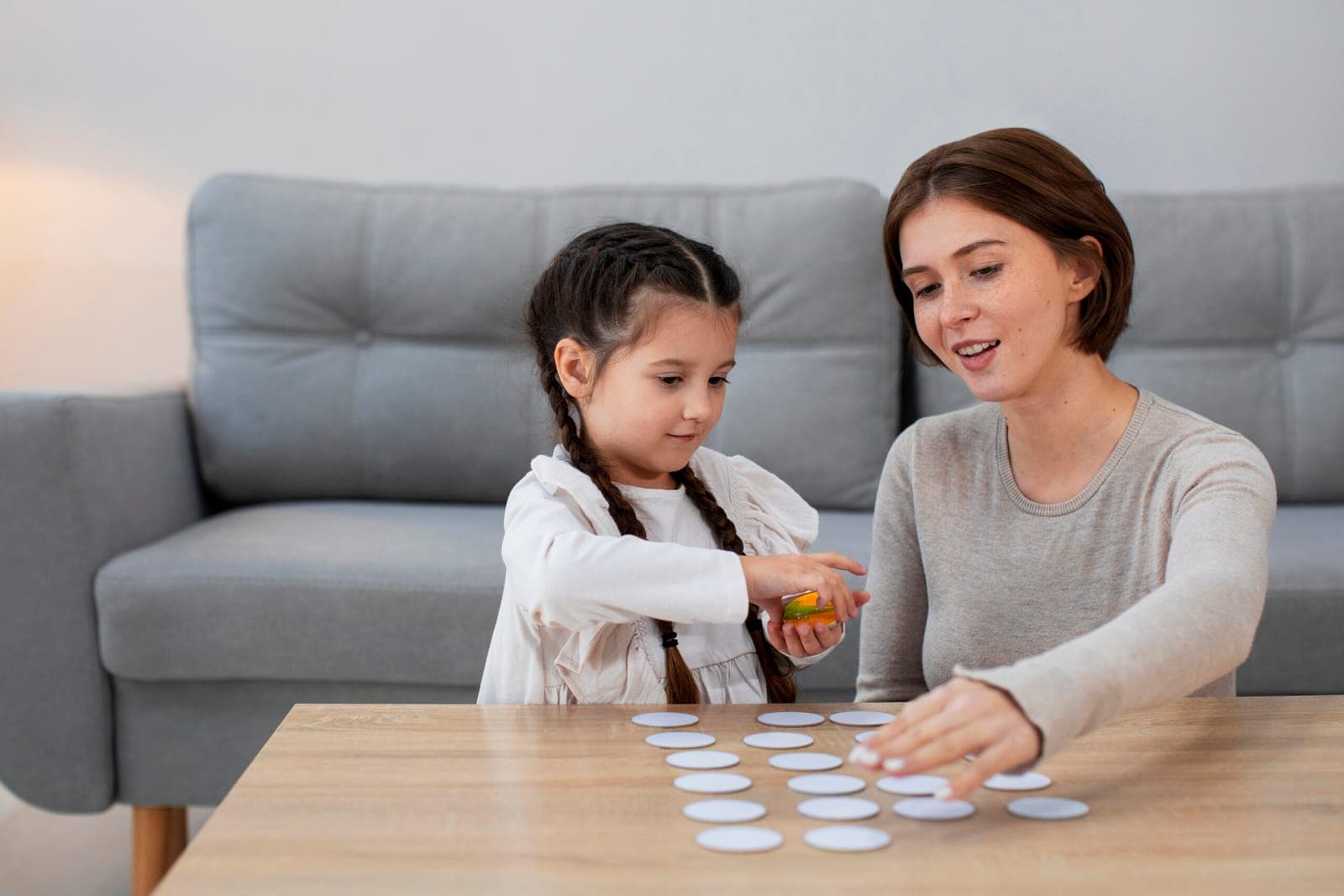
Personalized ABA therapy that puts your child first
Every child is unique, and their therapy should be too. Our clinical team builds individualized treatment plans from careful assessment, ongoing data collection and close collaboration with families.
Our approach supports children with:
- Autism spectrum disorder (ASD)
- ADHD
- Oppositional defiant disorder (ODD)
- Developmental delays
- Other behavioral and learning challenges
We focus on real-world skills that support long-term independence, communication and confidence.
Schedule a free consultationWhat does compassion-focused ABA look like?
Children learn best when they feel safe, respected, understood and connected. That shapes how every session runs:
- Rapport firstTherapists build trust through play (pairing) before teaching skills.
- Assent-basedChildren show they are willing to take part, and a “no” is respected.
- Sensory-informedChildren are not pushed into environments that overwhelm them.
- Trauma-informedTherapists understand a child’s history and what upsets them.
- Strengths firstGoals are chosen with the family and build on what a child does well.
Sessions adapt to your child’s mood, interests and energy, and rewards come from things that matter to your child. Our clinical director trained in neurobiology and trauma, so our ABA starts from trauma-informed care. Walk into our centers and you hear laughing and singing, not crying.
What happens when a child is upset?
We meet children where they are. When a child is upset, we use therapeutic calming techniques, lower the demands and present tasks in a way that is fun, not forceful.
Safety comes first. If a behavior could hurt a child or others, staff use the least intrusive, safest steps: a calm voice, moving dangerous items away, guiding the child to a safer space and briefly interrupting the behavior. We do not use restraint. Any crisis is reported to the parent and the supervising behavior analyst right away. In an emergency, call 911.

A family-centered, evidence-based approach
Progress happens best when families are involved. Parents are trained weekly, and goals and the treatment plan are discussed in those sessions. Read more about parent training.
At Hope Center, parents are not alone. Where we are allowed, our team shows up with you: IEP meetings, doctor visits, and the haircuts and dental appointments that are so hard for many of our kids.
Our ABA programs commonly work on:
- Communication and language development
- Social and play skills
- Emotional regulation
- Daily living and independence skills
- Reducing challenging behaviors through positive strategies
- Attention, learning readiness and school success
Flexible therapy settings that fit your life
We provide therapy where your child needs the skills:
- In-home ABA therapy
- Community-based sessions
- School collaboration, when appropriate
Working in more than one place helps children carry skills out of sessions and into everyday life.
Ask about insurance
Why families choose Hope Center for Behavior Change
- No waitlist: starting can take as little as three weeks from your first call
- Small BCBA caseloads on purpose, so your BCBA has time for your child
- Plans written by BCBAs and reviewed by our clinical director; RBTs supervised weekly
- Case management that reaches beyond therapy: school, appointments, extracurriculars and community activities
- BCBS, Aetna, Cigna, UMR, Personify Health and TRICARE; self-pay with a sliding scale
- Personalized programs with measurable progress
- Therapy at home, in the community and at school
- Compassionate, respectful, family-focused care
Care at home, at school, at daycare, in the community and at our centers. See where we provide ABA.
Questions families ask
Is modern ABA different from older ABA?+
Yes. Early ABA programs were often rigid and drill-based. Today’s ABA is play-based, built on the relationship with the child, and respects a child’s comfort and assent. Our guide What modern ABA therapy really looks like explains more.
Will my child be forced to make eye contact or stop stimming?+
No. We don’t force eye contact or suppress harmless stimming. Goals focus on skills that make daily life easier and safer for your child, chosen with your family.
How do I know therapy is working?+
Every goal is measured. Your child’s BCBA reviews the data regularly, shares progress with you and changes the plan when something isn’t working.
Related
- Parent and caregiver trainingStrengths-based coaching that helps parents and caregivers use ABA strategies every day.Learn more →
- In-home ABA therapyABA in your own home, built around daily routines like dressing, meals and play with siblings.Learn more →
- What is ABA?A plain-language introduction to applied behavior analysis.Learn more →
Take the first step toward meaningful progress
Our intake team is here to answer your questions, check your insurance benefits and guide you through the next steps.
Our ABA programs are developed by Board Certified Behavior Analysts (BCBAs) and carried out by Registered Behavior Technicians.
- No cost to talk to us
- No waitlist: starting can take as little as three weeks from your first call
- Free benefits check, sliding scale and self-pay options
- Our operations team calls you back